Locums Digest #103 | Smaller Locums Firms Battle Consolidation, Rethinking MSP/VMS, All 'Hale' New NALTO President & More
 By Jonathon Ayers
As the healthcare staffing industry consolidates, small and medium-sized firms can remain competitive by leveraging specialization, flexibility, and focus.
Welcome to Locums Digest, Locumpedia’s free bi-weekly roundup of industry news and trends that helps locum tenens agencies and healthcare facilities make informed business decisions.
In this edition: As the healthcare staffing industry continues to consolidate around larger firms, small and midsize companies can strengthen their competitive edge by focusing on niche expertise, efficiency, and smart technology investments. Margin compression, MSP and VMS fees, and rising clinician pay expectations are reshaping the landscape, prompting agencies to explore new ways to compete and deliver value.
Also in Digest 103: Why including locum tenens early in holiday staffing planning pays off, what increasing physician attrition means for healthcare, and what Alan Braynin’s legacy leaves behind for the staffing industry. We’ll also dive into whether higher pay can solve the physician shortage and why 95% of AI pilots don’t deliver on ROI.
In Digest 103:
Smaller Locum Tenens Firms Fight to Compete as the Industry Consolidates
October 13 | Staffing Industry Analysts
As healthcare staffing consolidation accelerates, small and midsize firms are feeling the pressure. Margin compression, MSP and VMS fees, rising clinician pay expectations, and the need to invest in tech are squeezing profits from every angle.
Larger players are expanding through acquisition, spreading costs, and tightening their grip on client relationships. But according to SIA analyst Crystal Fullilove, this doesn’t mean smaller agencies are out of the game. It just means they need a sharper, more focused playbook.
The key for SMBs is to specialize. Companies that commit to a specific niche, like rural placements, per diem, or a particular discipline, can outperform generalists on speed, fit, and outcomes. Fullilove recommends deciding early whether to focus on MSP panels or direct contracts, and to evaluate every opportunity based on margins, credentialing timelines, and fill rates. Instead of building tech from scratch, smaller firms should adopt proven tools that plug into client systems and streamline operations.
Flexibility is a competitive advantage, and SMBs can tailor rates to local conditions and trade discounts for performance. Above all, results matter. Use benchmarks, metrics, and case studies to prove value and win client trust. In a consolidating market, the most resilient firms won’t be the biggest but the ones clients can’t afford to lose.
[adsanity align='aligncenter' id=260176]
La Vida Locum
Smarter Holiday Staffing: Why Early Locum Planning Pays Off
October 7 | CompHealth
The holiday season brings no shortage of challenges for healthcare leaders, including surging patient volumes, staff PTO requests, and the threat of burnout. While some facilities scramble to fill shifts in late November, others are taking a smarter approach by planning early with locum tenens coverage. Temporary providers offer a practical way to protect full-time teams, maintain high-quality care, and avoid costly service gaps.
Burnout peaks when permanent staff are stretched too thin during the holidays. Proactively scheduling time off is good for morale and retention, but it only works if you’ve got coverage. Locums can fill that gap by keeping workloads balanced and clinicians supported. Plus, illnesses like flu and RSV tend to spike during this period, so having providers in place offers an essential reserve.
Delaying coverage decisions risks overburdening staff and compromising care. Partnering early with a trusted agency ensures access to vetted, fully licensed clinicians ready to work. Whether it’s credentialing, housing, or compensation, staffing companies can handle the logistics so facilities can stay focused on their patients.
How Anesthesia Shortages Disrupt Hospitals and How Locums Can Help
October 9 | Hayes Locums
The growing shortage of anesthesia providers is quietly causing serious disruptions across hospitals, especially in rural areas. With demand for surgical care climbing and the supply of anesthesiologists, CRNAs, and CAAs shrinking due to retirements and burnout, healthcare organizations are facing delayed procedures, overburdened staff, and service line instability. Without reliable anesthesia coverage, surgeries stall, revenue dips, and patient access to care declines.
The strain is especially acute in rural hospitals, where it’s harder to attract permanent providers. When one clinician retires early or steps away due to unsustainable workloads, the remaining team often absorbs the extra load, fueling a burnout loop that further erodes staffing stability. What starts as a single vacancy can quickly spiral into systemic disruption.
Locum tenens offers one path forward. For anesthesia professionals, it’s a chance to regain control by choosing assignments that match their lifestyle while earning competitive pay. For facilities, locums provide a bridge that keeps operating rooms functional and patient care on track. As more CRNAs and CAAs pursue independent practice and flexible careers, locum work is a sustainable way to stabilize surgical care.
Why Locum PAs Are a Flexible Fix for Workforce Gaps and Provider Burnout
October 6 | Medicus Healthcare Solutions
With nearly 190,000 practicing nationwide, physician assistants have become vital players in modern healthcare. Their broad clinical training allows them to serve across specialties and settings, making them an increasingly valuable solution to growing staffing gaps. In rural areas, where physician shortages are most severe, these providers are often the most consistent source of patient care. And with PA job growth projected to rise 20% through 2034, demand for their services is only climbing.
Locum tenens opportunities are creating even more flexibility for both healthcare systems and PAs themselves. For facilities, locum PAs offer continuity during staff leave, seasonal demand, and service line transitions. They also make it easier to launch new programs without committing to full-time hires. For these clinicians, locum work offers greater control over schedules, higher pay, and the opportunity to expand skills across diverse care settings without sacrificing work-life balance.
As more states modernize PA practice laws and prepare for the upcoming PA Licensure Compact, locum tenens roles are becoming even more accessible. Whether filling gaps in rural clinics or supporting overstretched teams in busy urban hospitals, locum PAs offer a sustainable way to keep care accessible while meeting the evolving needs of today’s healthcare workforce.
[adsanity align='aligncenter' id=260176]
Locum Leaders
Liz Hale Officially Inducted as President of NALTO
October 14 | MPLT Healthcare
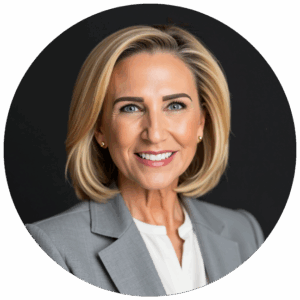 Liz Hale, CEO of MPLT Healthcare, was inducted as President of NALTO at the 2025 Fall Fly-In. Her appointment marks a significant moment for the locum tenens industry, as she steps into a role that directly influences how agencies advocate for providers and facilities nationwide.
Known for her commitment to ethical practices and for elevating industry standards, Liz has long been a force in healthcare staffing, serving on the NALTO Board of Directors for more than five years and as the CEO of MPLT Healthcare for nearly three. As NALTO President, she’ll play a key role in advancing initiatives that support both agency growth and provider success. Her leadership is one to watch.
Alan Braynin’s Legacy: A Relentless Vision for a Digital Staffing Future
October 14 | Staffing Industry Analysts
 By building up Aya Healthcare, Alan Braynin rewired the entire staffing model. From launching the firm in 2001 with one recruiter and no prior industry experience, to pushing it past $7 billion in revenue by 2024, Braynin was guided by a singular focus: leveraging technology to outpace the competition. His early bets on SEO and digital onboarding were transformative. Long before “platform” was a buzzword, Braynin was building one.
At the heart of Aya’s tech-forward strategy was self-service staffing. While the model met internal resistance early on, the pandemic proved its value. When manual recruiting couldn’t keep up with the urgent demand for clinicians, Aya’s transparent, self-directed platform enabled healthcare professionals to select jobs instantly, accelerating growth, increasing recruiter productivity, and streamlining operations across its staffing verticals, including locum tenens.
Braynin’s mindset was never to get comfortable. He questioned everything, celebrated nothing too soon, and demanded constant innovation. Even in his final months, his drive shaped decisions that will ripple through the industry for years. His legacy should challenge the rest of the staffing world to rethink how things should work, not just how they have worked.
ASA Honors Locum Firms for Social Responsibility
September 30 | American Staffing Association
 The American Staffing Association has announced the 2025 winners of its annual Care Awards, which distinguish staffing and recruiting firms for standout corporate social responsibility programs. ASA CEO Richard Wahlquist highlighted the industry’s broader mission to not only build careers but also give back to communities and promote sustainability.
Among the locum tenens firms recognized were CHG Healthcare, which earned top recognition for its “Employee Volunteer Programs,” and AMN Healthcare, which received an honorable mention for initiatives focused on workforce resiliency and environmental impact. The honorees will be celebrated at ASA’s Staffing World convention on October 8 in Orlando, Florida.
Hire Power
How To Blend Stability and Strategy in Clinical Workforce Planning
September 30 | Becker’s Hospital Review
Physician shortages are on track to reach crisis levels, with more than 187,000 vacancies projected across 31 specialties by 2037. For healthcare leaders, that means juggling short-term staffing needs while building a more resilient workforce for the future. As a result, many systems are taking a closer look at flexible, interim staffing strategies that move beyond traditional coverage models.
One such approach is project-based interim staffing to maintain continuity during periods of operational change. Rather than treating locum tenens as a temporary patch, these programs are increasingly being used to support transitions in care models, cover multi-FTE gaps, and manage backlogs while permanent solutions are implemented. Technology that improves workflow visibility and streamlines time-to-fill is often a key part of this process.
Recent examples highlight how this model can stabilize critical service lines during periods of disruption, whether by transitioning from outsourced to in-house staffing, addressing case backlogs, or covering gaps caused by turnover. For staffing professionals, these cases reinforce that short-term coverage is most effective when it’s part of a larger strategy, not a standalone fix.
Why Locum Tenens Providers Are an Investment, Not an Expense
October 9 | LinkedIn
 A recent LinkedIn post from Dr. Ali Chaudhary challenges the perception held by some that locum tenens physicians are a “necessary evil.” Locums coverage represents an investment in supporting a facility’s physicians, APPs, and patients. Framing it negatively because of perceived cost can undermine team morale and alienate the very providers who step in when departments are stretched thin.
The post calls for a cultural reset that recognizes the critical role these clinicians play. Suggested alternatives like “relief physicians” or “rapid response MDs” reframe locums as skilled reinforcements, not outsiders.
For staffing professionals and healthcare leaders, it’s a timely reminder that how we talk about locum providers influences how they’re treated. If the goal is better integration and collaboration, it starts with language and respect.
Why It’s Time to Rethink Your MSP and VMS
October 8 | LinkedIn
 A recent LinkedIn discussion started by Todd Starlin, Vice President of Business Development at CrossMed, is putting healthcare leadership on notice: long-standing loyalty to the same MSPs and VMS platforms may be doing more harm than good. Several staffing professionals joined the conversation to challenge the status quo, arguing that many “we already have a vendor” responses mask a deeper issue of complacency.
Despite persistent shortages and “urgent need” postings cycling back onto job boards, some facilities are still hesitant to explore new partnerships. Contributors pointed out that while the talent is there, meaningful connections and flexible solutions often come from outside existing networks.
The consensus was that comfort breeds stagnation. As one commenter put it, healthcare is one of the only industries that refuses to take a step back to leap forward. If the current approach isn’t delivering results, it may be time to change the playbook.
Making the Rounds
Why 95% of Enterprise AI Pilots Fail and How Healthcare Leaders Can Get ROI Right
October 9 | Healthcare IT News
 A recent study from MIT’s NANDA initiative revealed that 95% of generative AI pilots fail to deliver measurable ROI, and in healthcare, the reasons run deeper than just bad technology. According to Dr. Tim O’Connell, radiologist and CEO of emtelligent, generic models often fail because they can’t grasp the nuance of medical language or workflows. Instead of replacing clinicians, AI should augment decision-making with purpose-built, embedded tools that are integrated into real clinical operations. The actual barrier isn’t tech, O’Connell argues, it’s poor integration, fragmented data, and a lack of workflow alignment.
One of the biggest hurdles to ROI is disjointed data. Patient information is spread across EHRs, labs, imaging systems, and unstructured notes, few of which communicate well with each other. AI will only be as useful as the data it sees. To succeed, healthcare organizations must invest in data integration and NLP tools that can unlock insights from clinical language. Operational applications are the most reliable paths to measurable returns, especially when paired with AI that’s explicitly trained on healthcare data.
Lastly, the most successful AI implementations are vendor-led and clinician-empowered. Health systems benefit from vendors who understand medical AI, but real adoption happens when frontline teams champion tools that make their work easier. When vendors build the tech and clinicians validate its value, AI will yield meaningful results.
Physician Attrition Is Accelerating, And So Is America’s Doctor Shortage
October 7 | Yale School of Medicine
A new decade-long study highlights a troubling rise in physician attrition, warning that America’s doctor shortage could worsen faster than expected. Published in the Annals of Internal Medicine, the study tracked over 700,000 physicians treating Medicare patients and found that clinical attrition jumped from around 3% in 2013 to nearly 5% by 2019. Every specialty, geographic region, and demographic group saw increases. Notably, female physicians were 44% more likely to leave practice than their male peers, and rural doctors faced a 19% higher risk of leaving practice than their urban counterparts.
While psychiatry and OB/GYN specialties showed especially sharp attrition, hospital-based physicians treating patients with complex needs were the most likely to exit. The report ties this trend to growing systemic strain. Physicians are leaving not because they want to, but because the system often prevents them from delivering the care patients need.
The rising attrition rate poses serious challenges for healthcare access, especially in underserved communities. The authors call for systemic fixes, such as reducing EHR and prior authorization burdens, expanding telehealth, and giving physicians more control over scheduling and workloads. Without swift intervention, access to care will continue to erode.
Can Higher Pay Solve the Physician Shortage? It’s Not That Simple
October 7 | Healthcare in the Future
As the US faces a growing physician shortage projected to intensify through 2036, some experts are floating a bold idea: What if we simply paid doctors more? While physician salaries already range widely, shortages persist, especially in primary care. Hypothetical pay hikes modeled after the tech and finance sectors could attract more applicants, including career-switchers and international talent. But even if compensation skyrocketed, other systemic barriers remain.
Medical school and residency bottlenecks pose immediate challenges. With only 25,000 US med school slots and about 35,000 residency positions, the pipeline cannot scale overnight. Training a physician still takes 7 to 11 years. Meanwhile, burnout and attrition remain high, driven by administrative overload, EHR demands, and work-life imbalance. Even if salaries jump, doctors still face structural issues that drive many out of practice.
Targeted compensation boosts may help, especially in rural or high-need specialties, but real impact will require broader reforms. Expanding training capacity, reducing administrative burden, and preserving clinical autonomy are just as critical. Compensation matters, but without fixing the system, no paycheck alone will solve the shortage.
Med School Boom Aims to Ease Physician Shortage, but Barriers Remain
October 13 | Newsweek
With the US facing a worsening physician shortage, a wave of new and expanding medical schools is gaining momentum nationwide. Institutions are increasing enrollment, aiming to strengthen the pipeline of healthcare providers. State and federal investments have spurred this growth, with regional economic benefits and access to care as key motivators. However, as many healthcare leaders point out, expanding education alone won’t close the gap.
Despite this, residency remains a significant bottleneck. Each year, thousands of medical graduates fail to match into a residency program, blocking their path to practice. Without expanding postgraduate training slots, the growing number of medical school seats may lead to more unmatched graduates. Workforce experts also emphasize that burnout, early retirement, and provider dissatisfaction are accelerating attrition. To truly address the shortage, improvements in retention and working conditions must go hand in hand with expanded training.
Additionally, immigration policy could further strain the physician supply. Nearly one in four US physicians is an international graduate, many of whom serve in underserved communities. Proposed increases to H-1B visa fees threaten this critical pipeline. Without systemic reforms across education, immigration, and practice environments, the physician shortage will persist despite medical school growth.
Sponsored Content
How Locum APPs Are Helping Oncology Teams Bridge Staffing Gaps
October 9 | Cancer CarePoint
As oncology caseloads climb and physician shortages persist, cancer centers across the US are turning to APPs to protect access and maintain care quality. When thoughtfully integrated, APPs help relieve pressure on oncologists, manage routine visits, and prevent bottlenecks in patient flow, especially during times of high demand. With many states expanding scope-of-practice laws, APPs are poised to play an even bigger role in cancer care delivery.
APPs are also proving to be a practical and cost-effective solution. They support symptom management, follow-ups, treatment education, and even clinical trial coordination, allowing oncologists to focus on consults and complex care. In turn, clinics improve efficiency, lower staffing costs, and reduce physician burnout. Locum tenens APPs are especially valuable for temporary coverage needs, offering flexibility without long-term commitments and delivering immediate relief to overwhelmed teams.
The key to successful APP integration is structured onboarding and workflow alignment. Oncology leaders who build clear role definitions, mentorship plans, and performance metrics are seeing stronger integration and better outcomes. With the right locum staffing partner, organizations can tap into a pipeline of oncology-trained APPs ready to deliver high-impact care wherever it’s needed most.