NALTO Fall Fly-In 2026 Recap: What Clients Want From Locum Tenens Agencies, Where the 1099 Bill Stands & How to Grow
 By Jonathon Ayers
The 2026 NALTO Fall Fly-In is in the books. In Atlanta, speakers tackled some of the biggest issues facing locum tenens agencies, from more selective clients and tighter growth expectations to legislative uncertainty and the expanding role of AI.
A consistent theme was adaptation. Healthcare organizations are scrutinizing partnerships more closely, companies are under pressure to grow efficiently, and new technology is reshaping everyday workflows. Across several sessions, speakers kept bringing up the idea that doing more isn’t enough. Agencies need to be deliberate about where they spend time and attention.
If you couldn’t make it to Atlanta or want a refresher on the key discussions, here’s Locumpedia’s breakdown of the 2026 NALTO Fall Fly-In.
How Identity Intersects With Purpose and Retention
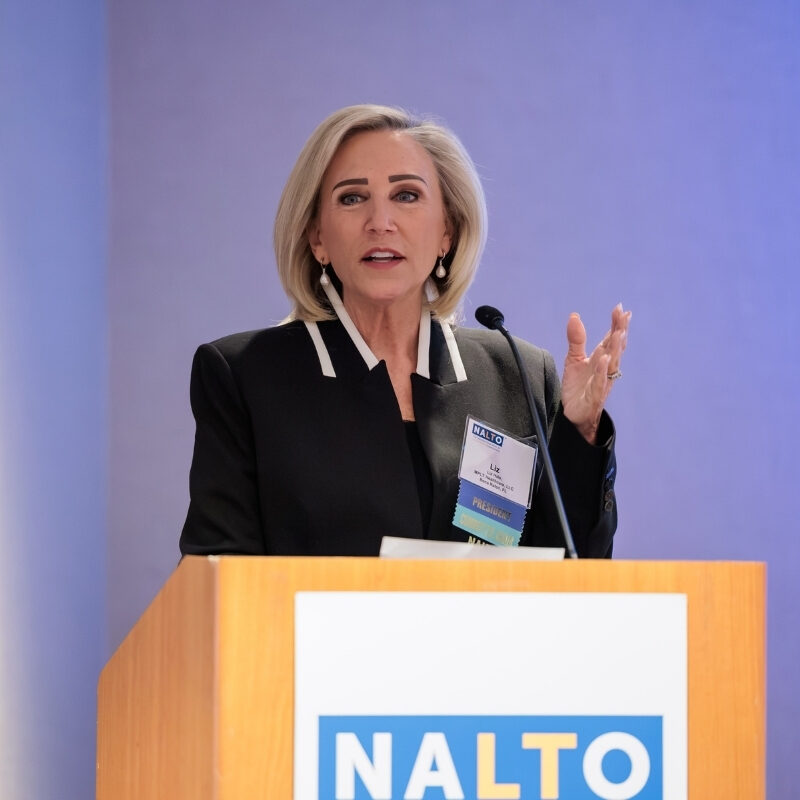
NALTO President Liz Hale of MPLT Healthcare
Following the President’s Welcome from NALTO President Liz Hale of MPLT Healthcare, the Fly-In kicked off with Carrie Moore’s opening keynote, “‘Who Do You Say That You Are?’ The Intersection Between Personal Identity and Job Satisfaction,” where she explored how personal identity, career identity, job satisfaction, recruitment and retention intersect.
An executive recruiter and speaker with Dartmouth Health, Moore challenged the assumption that people need to love their jobs or view work as a calling to build successful, satisfying careers. She shared the example of “Dr. D,” a physician who never planned to practice medicine and entered the field largely because his test scores in Nepal pointed him in that direction. He nevertheless became a valued physician who consistently earned high patient satisfaction scores.

Carrie Moore of Dartmouth Health delivers the opening keynote
Moore used stories like his to explain how organizations and employees may approach work differently. Organizations can emphasize success, including financial performance and market share, or significance, with greater focus on mission and purpose. Employees may be career-focused, valuing achievement, or calling-focused, tying work more closely to identity and purpose. Neither approach is inherently better.
That distinction shaped Moore’s message about retention. Employers shouldn’t wait for an exit interview to learn what keeps someone engaged. Managers should keep asking what makes work satisfying throughout their careers because those answers can change over the years.
Moore’s goal is for employees to feel, “I get to go to work,” rather than, “I have to go to work.” That doesn’t require believing a job changes the world. Work can matter because it supports a family, uses someone’s skills well, pays fairly or provides a sense of accomplishment. Employers first need to understand what their people value.
Four Tracks, Four Pressure Points
Next were four concurrent sessions. Attendees could choose the track most relevant to their role, with each one running about 30 minutes, according to the Fly-In agenda.
Track A, AI in Locums, was led by Trey Hutchins, senior director in the healthcare practice at Arthur J. Gallagher & Co. It focused on how locum tenens firms are using AI tools and workflows to reduce timelines and costs without sacrificing accuracy.
The other tracks covered building stronger physician and client relationships with Shawn Mullen, president and CRO of Interim Physicians; reducing legal exposure with Karen Hayes, chief risk officer of Hayes Locums; and tightening credentialing practices with Lynn Mitchell, VP of operations at Vista Staffing.
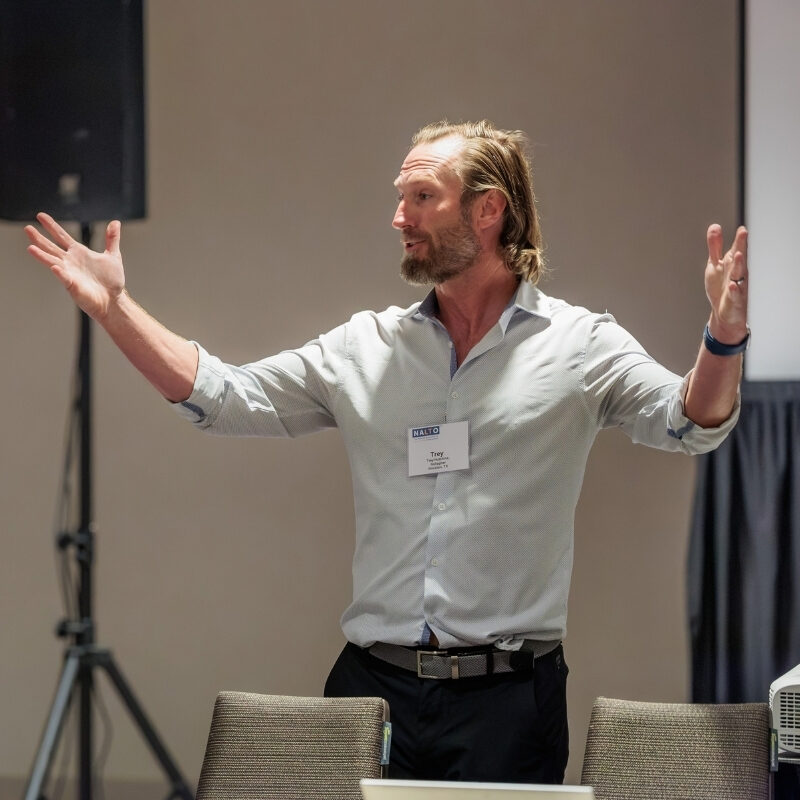
Trey Hutchins, Arthur J. Gallagher & Co.
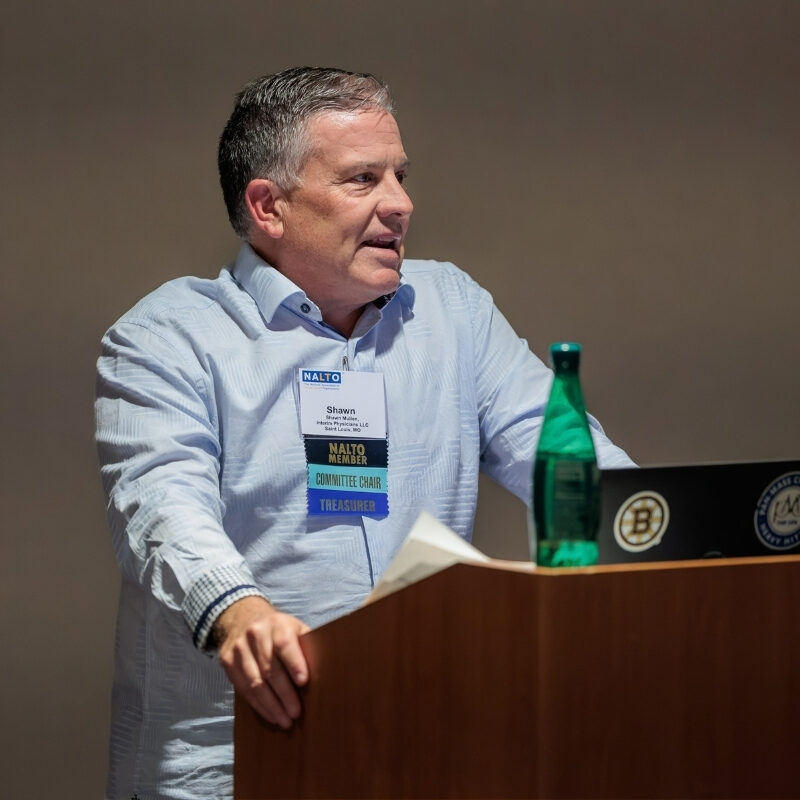
Shawn Mullen, Interim Physicians
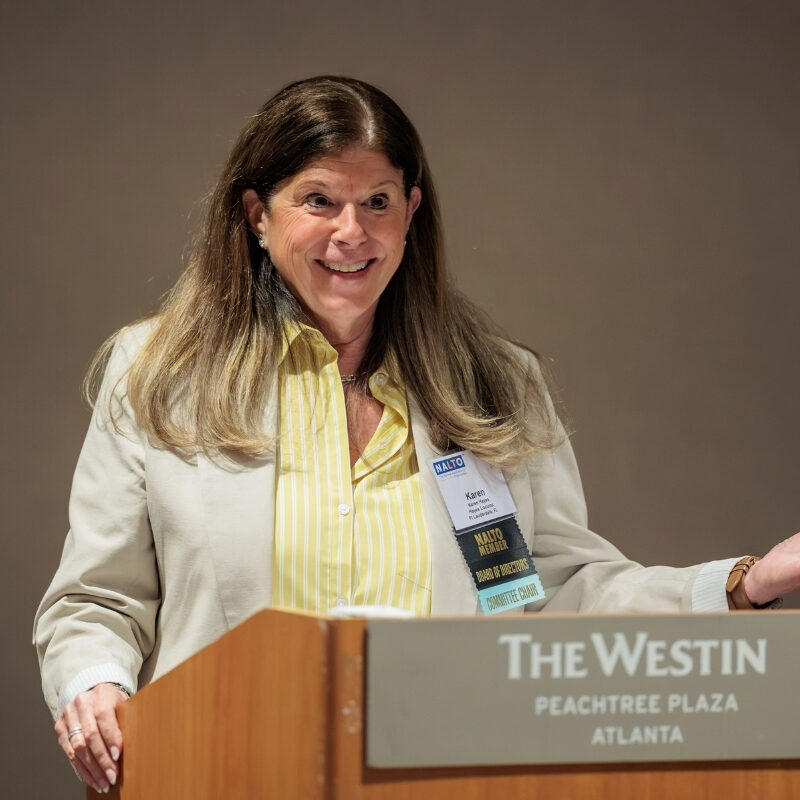
Karen Hayes, Hayes Locums
What Clients Want From Agencies
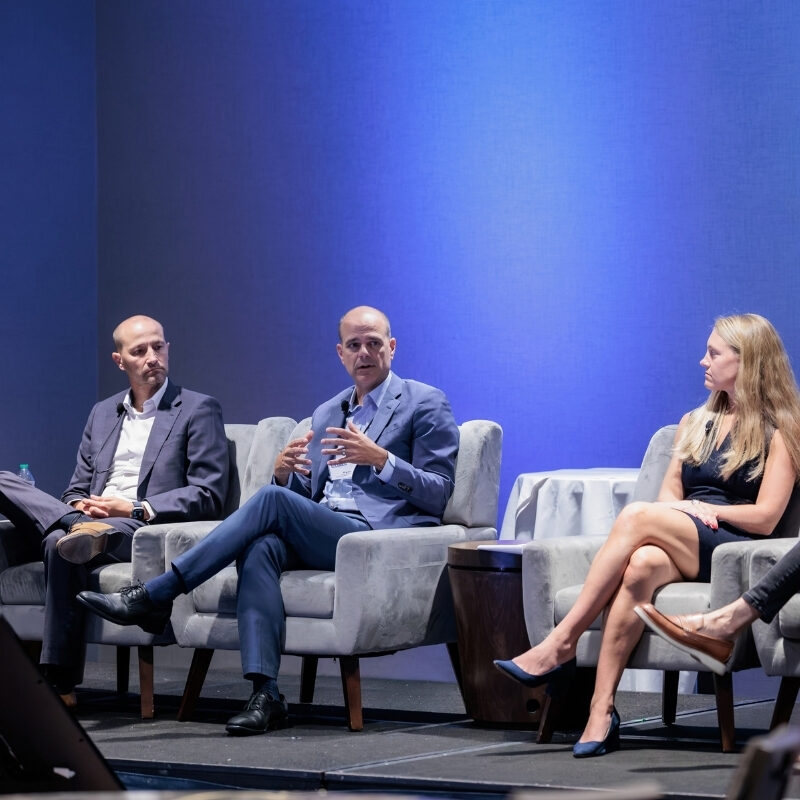
The Voice of the Customer panel
The “Voice of the Customer” panel gave attendees a direct look at how healthcare organizations are using locum tenens in 2026. Leaders from Dartmouth Health, Northside Hospital, MUSC and Yuma Regional Medical Center said they’re working to reduce unnecessary third-party staffing costs. Even so, locum clinicians remain important when coverage gaps threaten patient access or service lines.
Panelists shared examples of temporary coverage solving urgent problems. MUSC credentialed a mammography radiologist in about a week to address a backlog, while Northside used locum clinicians to provide 24/7 coverage at two hospitals after an unexpected service-line change.
The clearest message was to make the client’s job easier. Employers want strong communication, quality candidates, attention to detail, flexibility during rate negotiations and respect for their processes. Several panelists said poor communication can damage a relationship faster than the staffing problem itself.
Credentialing and onboarding remain major pain points. Clients expect agencies to stay involved through licensing and credentialing and help resolve problems before they delay coverage. They also want locum physicians and advanced practice providers to function as part of the care team instead of simply filling a schedule.
The discussion also made clear that locum tenens is one piece of a broader workforce strategy that can include permanent hiring, APPs and technology. Agencies become more useful when they understand how they fit into the bigger picture.
Scaling With Intention
John Pannucci of Alumni Healthcare Staffing and Jenn Schultheis of Floyd Lee Locums focused on what changes when a locum tenens agency moves beyond the startup stage. They believe healthy growth requires more discipline around margins, hiring, structure and which opportunities a company pursues.
Both speakers warned against treating revenue as the only measure of success. Schultheis discussed walking away from lower-margin business that consumed too many resources, while Pannucci described how minimum gross-margin requirements helped Alumni improve profitability. They also emphasized hiring carefully and putting people in roles that match their strengths.
The session pushed agencies to be more selective. That can mean concentrating on stronger specialties and markets, protecting direct client relationships or avoiding overdependence on VMS or MSP business. Scaling agencies should focus on building a healthier business that can support the next stage of growth.

John Pannucci, Alumni Healthcare Staffing

Jenn Schultheis, Floyd Lee Locums
The Latest on NALTO’s Legislative Efforts
NALTO and McGuireWoods Consulting used the Fall Fly-In to update members on efforts to protect the 1099 independent contractor model for locum tenens clinicians. The discussion covered federal legislation and state-level challenges in New York, California, Illinois and New Jersey.
The biggest development was H.R. 8347, the Reinforcing Underserved, Rural, and Local Healthcare Act. The bill would classify qualifying locum tenens physicians and advanced practice clinicians as independent contractors under the Fair Labor Standards Act and National Labor Relations Act. On July 21, it advanced out of the House Committee on Education and the Workforce, the furthest a locum tenens classification bill has progressed in Congress.
Presenters said the next opportunity could come through a broader healthcare package later in 2026. Because H.R. 8347 has already cleared committee, they said it could be considered alongside other healthcare provisions requiring congressional action. The session stressed that the process remains uncertain, even after the bill’s committee progress.
At the state level, the discussion focused partly on the spread of the ABC test for determining whether workers qualify as independent contractors. Of particular concern to staffing firms is Prong B, which generally examines whether a worker performs services outside the usual course of a company’s business. Presenters said that framework can create classification questions for staffing agencies whose business depends on placing clinicians.
NALTO closed by asking members to stay involved. The organization and McGuireWoods plan to provide outreach materials for contacting congressional offices, while state efforts will require members willing to participate consistently in NALTO’s Legislative Committee and help manage relationships with state lobbyists. While legislative progress can move slowly, sustained industry participation remains central to NALTO’s strategy.
Protect the Principles, Change the Methods

Shane Jackson of Jackson Healthcare delivers the closing keynote
Shane Jackson, president of Jackson Healthcare, closed the Fall Fly-In with “Fostering Culture: Leadership to Thrive in Any Market,” a keynote on what culture actually looks like inside an organization and why it matters more when the business around it is changing. His central point was that culture is built from the everyday decisions that shape how people work together.
Jackson tied culture closely to commitment. Employers want committed employees, but employees are also deciding whether the organization deserves that commitment. People watch how leaders handle conflict and difficult decisions, using those moments to judge what the company actually values.
One of his strongest themes was, “Principles are sacrosanct, and methods are not.” Organizations can hold tightly to what they believe while changing how they operate. Jackson encouraged leaders to challenge long-standing habits with a simple question: “Is that still true?” Markets, customers, technology and regulations change. The underlying principle may still matter even when the old method no longer does.
He also focused on how employees learn culture. Much of it comes from watching leaders work, hearing the stories behind past decisions and being given room to learn through manageable mistakes. Jackson’s point was that this development work is the core of leadership.
Jackson ended with a more personal question for leaders. If they gathered their current team 10 years from now, what would they want people to say about working for them? He encouraged attendees to decide that answer now and lead accordingly. A strong culture gives people enough clarity around purpose and principles to stay aligned even when the way the organization works has to change.
Giving Back to the Industry
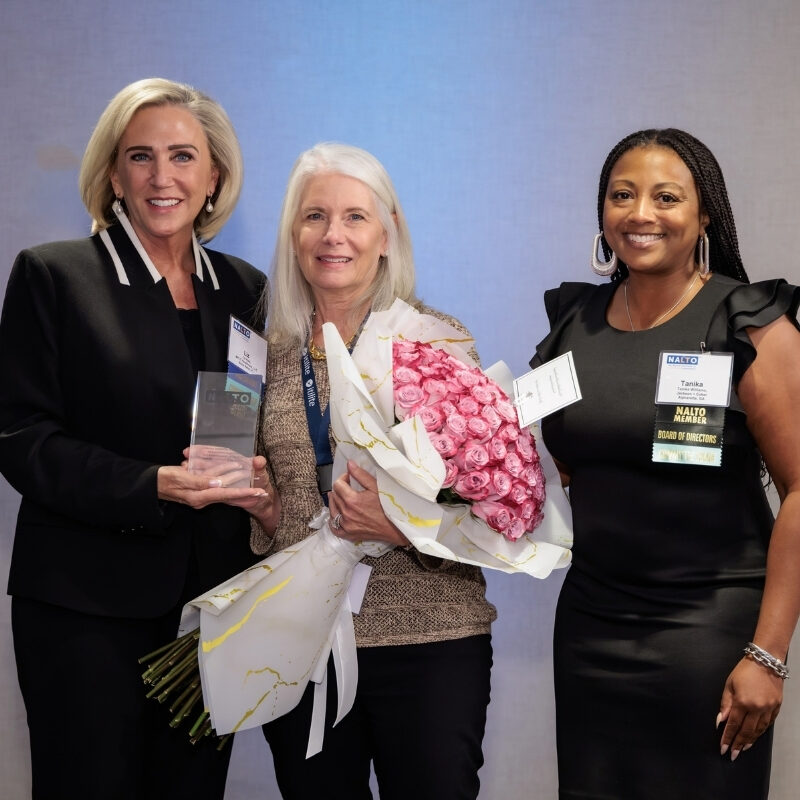
Ann Anderson is inducted into the NALTO Hall of Fame
The Fall Fly-In closed with a Hall of Fame induction honoring Ann Anderson for her decades of leadership in locum tenens and her contributions to NALTO.
Anderson spent years helping shape the industry’s professional and ethical standards. Her career included roles with MDA, Cross Country and Jackson & Coker, along with extensive service on the NALTO Board, including two years as president.
In her remarks, Anderson credited NALTO and the people she met through the locum tenens community with helping sustain her career. She reflected on the mentors and colleagues who had “poured into” her over the years and said she hoped she had returned that support by investing in others.
She also tied that gratitude back to the purpose of the industry itself. Locum tenens helps bring care to communities that need it, while NALTO works to support the organizations and professionals making that possible.
The Road Ahead
Before attendees left Atlanta, NALTO announced that its 2027 Annual Conference will take place February 24 through February 26, 2027, in Dallas.
Across the Fly-In, the same challenge surfaced in different forms. Clients are becoming more selective, technology is changing workflows and legislative questions remain active. Leaders are also being pushed to rethink how they manage people and grow their businesses.
Being intentional matters more than ever. Agencies can’t assume that the processes, relationships or strategies that worked before will keep working unchanged. They need to understand what matters and be willing to change the methods around them.