Beyond the Contract: Strengthening Communication in Locum Tenens Staffing
 By Bobbi Harrison
Communication has long been recognized as a challenge in healthcare staffing. The issue is rarely a lack of effort. Generally, it’s about how relationships are built, maintained, and strengthened before an assignment starts, throughout its duration, and after it ends.
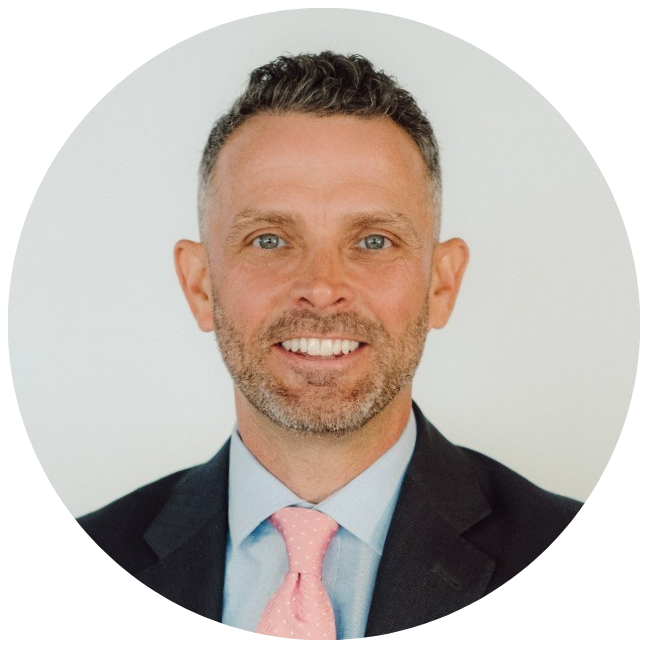 The most vulnerable point in a locum tenens placement isn’t the search for a candidate, according to David Richardson, Chief Operating Officer at Hayes Locums. It’s what happens after a clinician accepts an assignment but before the first day on site. During that period, credentialing, licensing, privileging, onboarding, scheduling, and travel arrangements often involve multiple people across both organizations.
“There really shouldn’t be surprises,” he said. “Otherwise, situations that could’ve been mitigated through better communication become unnecessary complications.”
That vulnerability tracks with the data. In RefAssured’s 2026 Healthcare Staffing Trends Report, which surveyed more than 200 healthcare staffing professionals, 69% of executives identified poor communication as their top challenge when working with hospitals and other healthcare facilities. Yet the finding raises an obvious question: If staffing firms and facilities appreciate communication’s importance, why does it remain such a common source of frustration?
The answer is more nuanced than simply connecting more often.
It also depends on building trust early, keeping everyone aligned as responsibilities shift, and maintaining communication from the first conversation through the completion of an assignment.
To better understand why, Locumpedia spoke with leaders from Hayes Locums, LocumsCollective, and Aya Healthcare.
“There really shouldn’t be surprises,. Otherwise, situations that could’ve been mitigated through better communication become unnecessary complications.”
- David Richardson | Hayes Locums
In The Story:
Before the Assignment Begins
Looking Beyond the Immediate Need
 Before discussing available clinicians or filling open shifts, Sophia Morris, Executive Vice President, Client Fulfillment and Strategy Teams, of Aya Healthcare, wants to understand what facilities are trying to accomplish.
“We spend a lot of time researching, listening, and learning their pain points and what their goals are,” Morris said. “We help them diagnose their problems on the front end and provide actionable solutions that are tailored specifically to addressing their needs without asking necessarily for anything in return. Oftentimes we’re just a trusted advisor to them.”
Staffing requests rarely exist in isolation. An open shift may reflect broader workforce pressures, physician burnout, recruiting delays, changing patient volumes, or evolving service lines. Understanding those factors helps staffing partners recommend solutions that fit an organization’s workforce strategy. In addition to identifying available clinicians, the objective is to figure out why the coverage gap exists in the first place and what success ultimately looks like for the organization.
That perspective changes the nature of the relationship. Conversations become less about filling a single assignment and more about helping healthcare leaders think through workforce challenges that may continue long after that assignment ends.
Morris acknowledges that asking busy healthcare executives for additional time isn’t always easy. That’s why she encourages her teams to explain the purpose behind those early conversations instead of assuming clients will automatically recognize their value.
“Investing a few extra minutes at the outset helps establish expectations and uncover operational realities that may not appear in a job description,” Morris said. “It gives recruiters a clearer understanding of the environment they’re trying to support and the type of locums that’ll be the best fit for the facility and its community.”
“We spend a lot of time researching, listening, and learning their pain points and what their goals are.”
- Sophia Morris | Aya Healthcare
Seeing the Process Through Someone Else’s Eyes
 Communication challenges seldom stem from people failing to talk to one another, according to Matt Bennett, Founder and President of LocumsCollective, a managed service provider serving the locum tenens industry that was acquired by Barton Associates in May 2026. Instead, they emerge as essential details pass through a long chain of stakeholders, each accountable for a different part of the process.
“It’s a little bit like the telephone game,” Bennett said. “The information can get degraded. It can be incomplete.”
A staffing need may begin with a department leader before moving to an internal recruiter, then to an agency, then to another recruiter, and finally to a physician. Questions, updates, and expectations travel back through the same chain. With every handoff, context can be lost, priorities can shift, and small misunderstandings can grow into larger problems.
“When we say poor communication, I think we’re really talking about alignment,” he said.
And that begins long before a candidate is presented.
Recruiters need to understand the operational pressures organizations face, while hospitals and health systems benefit from recognizing the work agencies perform before a provider is ever submitted. Bennett thinks communication improves when every participant knows not only their own responsibilities but also how those responsibilities affect everyone else involved.
“The first step is simply understanding,” Bennett said.
That philosophy also influences how his team prepares opportunities before presenting them to physicians. Rather than forwarding a basic job description, they work to answer the questions providers are likely to ask before they ever express interest in an assignment.
Bennett said his team builds standardized job templates by anticipating the information doctors need to evaluate an opportunity, from scheduling expectations to facility details and logistical considerations. Addressing those questions up front reduces unnecessary back-and-forth and allows providers, recruiters, and healthcare organizations to make decisions from the same information. In Bennett’s view, better preparation at the beginning often prevents communication breakdowns later.
He has seen what can happen when key expectations aren’t communicated at the outset. An agency may submit a candidate for an urgent coverage need, only to learn later about an additional requirement, scheduling change, or credentialing detail. By then, the parties have invested time, the clinician may believe an assignment is moving forward, and the facility still hasn’t secured coverage.
Bringing the right stakeholders together early can catch those mismatches before the process gets underway. Ensuring the facility, staffing partner, and clinician share the same understanding of the role, requirements, and timeline can prevent problems from surfacing later.
“When we say poor communication, I think we’re really talking about alignment.”
- Matt Bennett | LocumsCollective
Earning Trust Begins Before Day One
For Richardson, successful communication starts long before a clinician arrives at a facility. As healthcare leaders manage countless competing priorities and an overwhelming volume of messages every day, he believes staffing firms must be intentional about how they connect if they expect vital information to stand out.
“Timing is everything, urgency is the name of the game, and transparency and accuracy are essential,” he said. “Agencies have to rise above the noise.”
In Richardson’s view, earning a client’s confidence begins with the very first interaction. Communication is part of that endeavor, but so is anticipating obstacles and honoring commitments. Those early actions, he said, lay the groundwork for a relationship that extends well beyond a single assignment.
“What we aim for, especially early on, is to bring value, not burden,” he said. “You do what you say when you say you’re going to do it. It’s not some magic formula. In the initial stages of that relationship, it’s all about delivering on your word.”
According to Richardson, trust develops over time as locum staffing firms consistently demonstrate reliability, communicate proactively, and show they’re invested in helping healthcare organizations solve coverage challenges. When those efforts remain consistent, conversations naturally become less transactional and more consultative.
“We want our clients to know and truly believe that we care just as much about filling a role with a high-quality provider as they do,” he added.
That trust is tested most in the gap described at the outset, the stretch between a signed contract and a clinician’s first shift. Keeping everyone informed through it requires well-defined responsibilities, regular touchpoints, and ongoing dialogue during onboarding. At Hayes Locums, specialty-specific consultants work alongside dedicated credentialing specialists, so everyone knows their role while organizations have reliable points of contact as physicians and advanced practice providers (APPs) move toward their start dates.
Richardson also noted that routine status meetings between recruiters, credentialing teams, and facility decision-makers help ensure everyone remains aligned throughout onboarding, particularly when timelines shift or something unexpected comes up.
One instance he recalled involved waiting for a physician’s privileging application to come through. After 48 hours without receiving it, the team followed up with the facility and learned the application had already been sent directly to the physician, but the staffing company had inadvertently been left off the communication. Complicating matters, the physician hadn’t seen the email because it had landed in a junk folder.
By the time the disconnect was identified, the application had gone untouched for several days. Once everyone was brought back into the communication loop, the issue was quickly resolved. The experience reinforced the value of staying engaged rather than assuming a process is moving as expected.
Strong staffing relationships, Richardson said, go beyond whether an assignment is filled. They rest on confidence that communication will be ongoing, challenges will be addressed proactively, and everyone involved shares the same goal.
“Our clients know when they call us that we’re working to find not just any provider, but the right provider for every locum assignment.”
“Timing is everything, urgency is the name of the game, and transparency and accuracy are essential. Agencies have to rise above the noise.”
- David Richardson | Hayes Locums
During the Assignment
It Doesn’t End at Confirmation
Bennett believes another communication gap occurs once an assignment is accepted. Drawing on his background in the hospitality industry, he compares signing a contract to making a dinner reservation. Securing it is important, but it’s only the beginning.
“All we’ve done is make a reservation,” Bennett said. “It’s everything that happens afterward that matters the most.”
He feels locum tenens opportunities work much the same way. Confirming an assignment may mark the end of the recruiting process, but it’s the start of an entirely different phase of communication.
Just as a memorable dining experience depends on everything from being greeted at the door to the quality of the meal and service, a positive placement depends on what happens after confirmation. Regular check-ins, timely responses, clear expectations, and honest conversations all shape whether it unfolds as expected for both providers and facilities.
Staying Proactive
Morris noted that communication shouldn’t taper off once an assignment has been confirmed.
“I don’t like to assume that everything is fine, that no news is good news,” Morris said. “I’d prefer to just be very proactive.”
Maintaining that consistency requires coordination across multiple teams. Morris said her company’s account managers often serve as a centralized “quarterback,” helping orchestrate communication among recruiters, credentialing specialists, implementation teams, payroll professionals, traveler support staff, and others involved. For larger client rollouts, that responsibility may shift to a dedicated implementation leader until new processes are established, after which the account manager resumes that coordinating role.
That coordination becomes even more important when organizations undertake large workforce initiatives involving multiple facilities and stakeholders.
“I don’t like to assume that everything is fine, that no news is good news. I’d prefer to just be very proactive.”
- Sophia Morris | Aya Healthcare
Morris recalled working with a health system putting a centralized workforce strategy into effect across nine facilities and 20 specialties. The effort required introducing new technology and processes while keeping health system leaders and other stakeholders informed and prepared for the changes. The staffing company developed a communication plan that provided leaders with time-sensitive information and training they could share with the appropriate teams.
The collaboration also gave Aya Healthcare an opportunity to work with client leadership to identify clinicians the organization particularly wanted to retain and develop plans to support continuity of care. Bringing the program under a centralized account manager helped the health system reduce overtime expenses by making better use of providers across departments.
“We helped them narrate that communication,” Morris said. “‘You know your system best. Here are some ideas of how we can assist you.’”
Where Technology Fits
Transparency has also become more important as health systems seek greater visibility into where each placement stands. Richardson and Morris see technology’s role the same way: it should support the human relationships that make staffing partnerships work, not replace them.
Richardson pointed to his firm’s client portal, LocumScope, which allows health systems, hospitals, and other healthcare organizations to monitor progress and access updates without relying solely on phone calls or email. The technology, he said, works best when it supports ongoing collaboration and keeps everyone working from the same information.
Morris sees the same dynamic in the workforce data and reporting tools her teams use. Those tools help organizations centralize information and identify trends, but they still depend on experienced people to interpret that information, answer questions, and translate it into practical decisions.
“Data and charts are important,” she said. “But what’s even more essential is the team that’s explaining them and using them to provide solutions.”
Ultimately, it comes down to creating value by helping healthcare organizations make better decisions. Listening carefully, asking meaningful questions, coordinating multiple teams, and explaining the reasoning behind recommendations all contribute to stronger workforce planning.
An Ongoing Commitment
That same philosophy shapes how Bennett views problems when they arise.
“There will be issues,” he said. “But a problem doesn’t have to deteriorate the relationship. How you show up and work through it together can actually galvanize the relationship.”
For Bennett, good communication depends on how quickly people share information, clarify expectations, and work collectively when circumstances change. With so many people, priorities, and handoffs involved, maintaining that level of connection throughout keeps everyone aligned around the same objective. It also helps ensure both parties have the kind of experience that encourages them to do it again.
It’s the same understanding Bennett tries to build from the first conversation.
“‘This is what your world looks like. This is what my world looks like. How can we work together better?’”
“There will be issues. But a problem doesn’t have to deteriorate the relationship. How you show up and work through it together can actually galvanize the relationship.”
- Matt Bennett | LocumsCollective